
“My mother struggled with depression. So did her mother. I guess it’s just in my genes.”
I have heard some version of that sentence many times in my office here in Midland. Usually it is said quietly, with a sense of defeat, as if the ending of the story was written before the person was even born. I understand why people feel that way. But I want to offer a more hopeful way to look at it.
What Dr. Ben Lynch Means by “Dirty Genes”
In his 2018 book Dirty Genes, Dr. Ben Lynch, a naturopathic doctor, explores how small, common differences in our DNA can affect how our bodies work day to day. These differences are often called SNPs (pronounced “snips”), short for single nucleotide polymorphisms. Most of us carry many of them. They are part of what makes each person unique.
Dr. Lynch focuses on a handful of what he calls “super genes,” which play big roles in energy, detoxification, mood, and focus. Two of them come up often when we talk about mental health:
- MTHFR helps the body process folate (vitamin B9), which is part of a process called methylation. Methylation helps the body make and balance brain chemicals such as serotonin and dopamine. Some common MTHFR variants make this enzyme work less efficiently.
- COMT helps the body break down dopamine, adrenaline, and estrogen. Some people have a “slower” version, which may leave them more prone to feeling wired, anxious, or overwhelmed by stress. Others have a “faster” version, which may make it harder to stay focused or motivated.
Dr. Lynch’s central idea is that a gene can act “dirty” in two ways: you may be born with a variant, or your gene may be pushed off balance by everyday life, such as poor diet, too little sleep, chronic stress, and toxins. Either way, he believes many of these genes can be supported.
Genes Are Not Destiny
Here is the part I most want you to hear: your genes are not your destiny.
Research does suggest that certain variants may make depression, anxiety, ADHD, and other struggles somewhat more likely for some people. But a gene variant is not a diagnosis. It is more like a tendency, a place where you might need a little extra care. Many people carry these variants and never struggle with their mood at all.
What we eat, how we rest, how we handle stress, the relationships we live in, and our faith all influence how our genes show up in our lives. I find that deeply encouraging. Scripture tells us we are “fearfully and wonderfully made” (Psalm 139:14). Learning how your body was designed is not about finding something wrong with you. It is about learning how to care well for what God has given you.
How Testing and Nutrition Can Guide Healing
Some people find it helpful to learn about their own genetic variants through testing. Dr. Lynch suggests that instead of guessing, this information can help guide choices about nutrition, lifestyle, and, when appropriate, targeted supplements. For example, someone with a less efficient MTHFR variant might work with their provider to make sure they are getting enough folate and other B vitamins from food or supplements. Someone with a slower COMT gene might put extra focus on calming the stress response.
Dr. Lynch’s approach begins with the basics before any supplement:
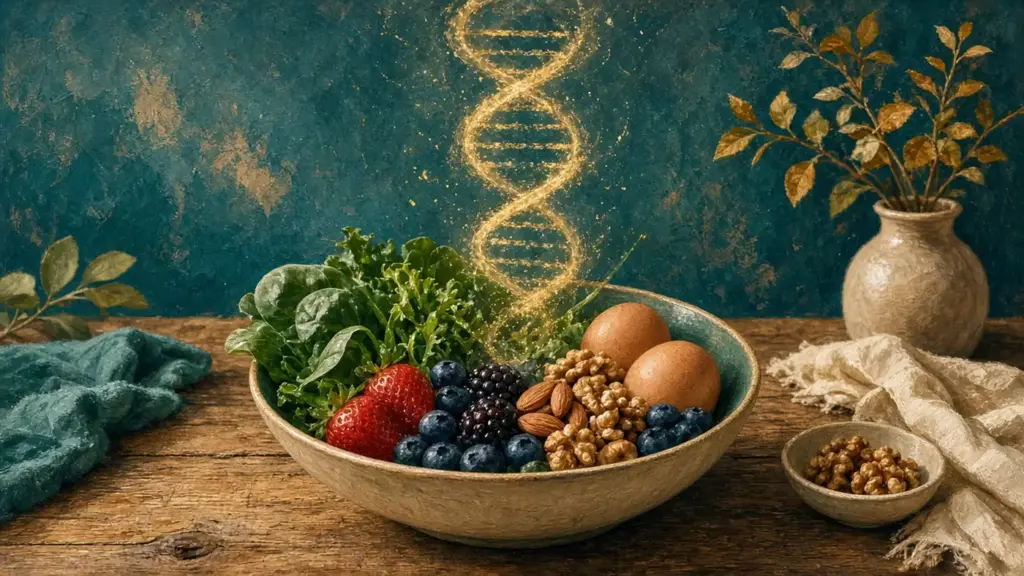
- Nourishing whole foods, especially leafy greens, which are rich in natural folate.
- Good sleep and a steady daily rhythm.
- Lowering stress through rest, prayer, time outdoors, and supportive relationships.
- Reducing toxins where you reasonably can.
A gentle note about supplements: please talk with your doctor or another qualified healthcare provider before starting any supplement, especially if you take medication, are pregnant, or have a health condition. More is not always better, and what helps one person may not be right for another.
Writing a Hopeful Next Chapter
Your family history may be part of your story, but it is not the whole story. At Unity Health Solutions, I look at the whole person: body, soul, and spirit. Understanding how you are wired can be one more tool, alongside counseling, healthy habits, and faith, to help you move toward healing.
Taking the Next Step
This article is for general education and encouragement. It is not medical advice or a substitute for individual care. If something here stirred something in you, I gently encourage you to reach out to a licensed professional who can understand your unique story.
If you would like to work with me, please Start with the New Patient Assessment. Once it is received, we will reach out to schedule your first visit. I see clients in my Midland office and by video for clients in Texas.
With hope,
Bobbi
Sources
- Lynch, Ben. Dirty Genes: A Breakthrough Program to Treat the Root Cause of Illness and Optimize Your Health. HarperOne, 2018. Publisher page: https://www.harpercollins.com/products/dirty-genes-ben-lynch
- Dr. Ben Lynch. “Dirty Genes” book page: https://www.drbenlynch.com/dirty-genes/
- MedlinePlus Genetics (U.S. National Library of Medicine). “MTHFR gene”: https://medlineplus.gov/genetics/gene/mthfr/
- MedlinePlus Genetics. “COMT gene”: https://medlineplus.gov/genetics/gene/comt/
Ready to take the next step?
If this article speaks to where you are, I would love to help. Start with the New Patient Assessment and we will schedule your first visit.